
For most Fort Lauderdale homes, every three to five years is a sensible starting point, with a quick yearly check in between. Move that sooner if you see dust blowing from vents, smell something musty, finish a renovation or have water come into the house. There is no law or fixed rule that sets one date for everyone, so the real answer depends on your home and how it is used.
Is there an official schedule for cleaning air ducts?
No. The US Environmental Protection Agency says there is no set interval and that cleaning is not something every home needs on a timetable. It points to specific conditions instead, such as visible mold, pests in the ducts or a heavy buildup of dust and debris. Some trade groups suggest every few years as a general guide, which is where the three to five year figure usually comes from.
Treat that range as a rough guide, not a rule. A newer house with one person, no pets and clean filters can sit near the long end. A busy house with pets, a smoker or a recent remodel may need attention sooner.
Why is Fort Lauderdale different from drier places?
Three things set South Florida apart.
- Humidity. Warm, damp air is part of life here. Cold duct surfaces can sweat, and moisture mixed with dust gives dirt something to stick to. In the worst cases it can support mold growth.
- Run time. Many homes run the A/C for most of the year, not just a few summer months. More hours of running means more air, and more dust, moving through the system.
- Coastal air and storms. Salt air, fine sand and the wind and rain of hurricane season can send dust and moisture into garages, attics and outdoor equipment. A power cut or a flooded garage can also leave an air handler damp.
Many older block homes also have the air handler in a garage or closet and the ducts in a hot attic. Those spaces collect dust and swing between hot and cool, which is hard on flexible duct.
What signs mean your ducts need cleaning sooner?
Look for these, and do not wait for the calendar if you see more than one.
- Dust that returns within a day or two of cleaning the house
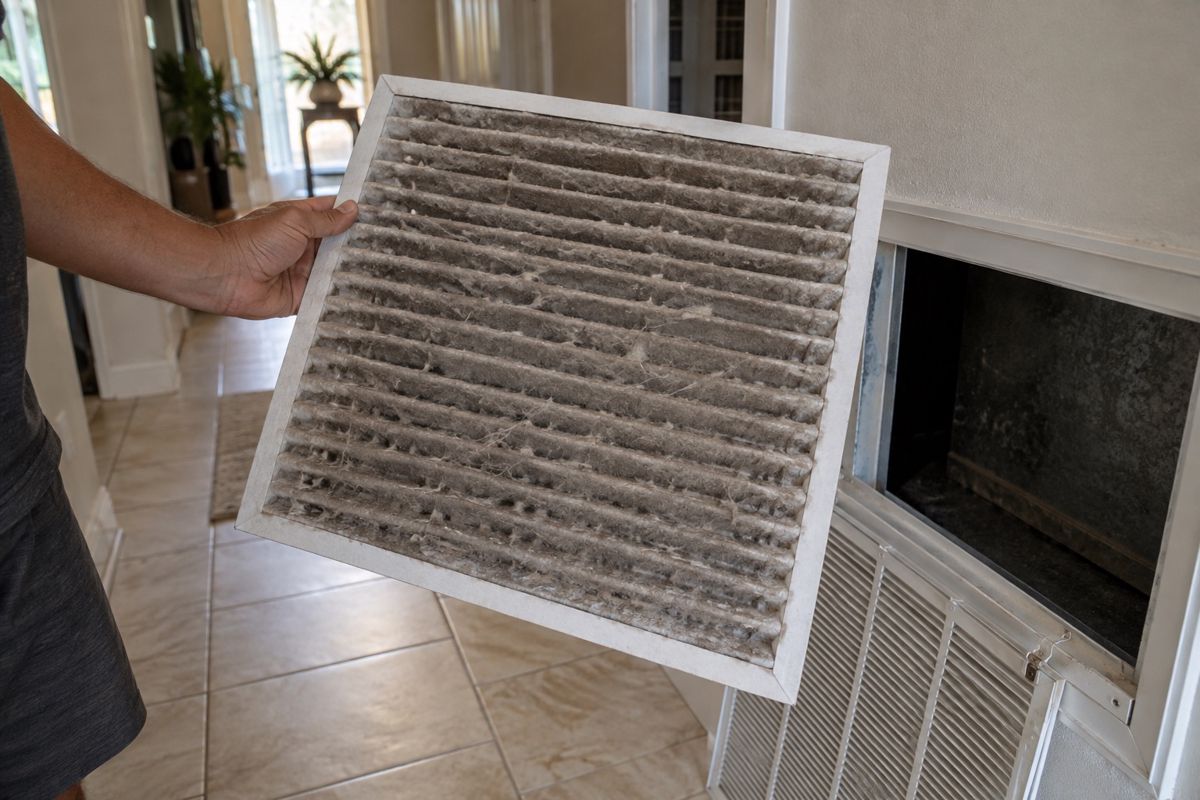
- Visible dust or debris around supply registers, or dust that puffs out when the system starts
- A musty or stale smell that comes with the air
- Weak airflow from some rooms while others feel fine
- Signs of pests, such as droppings or nesting material near a register
- Visible dark spots around vents or on duct surfaces
Weak airflow does not always mean dirty ducts. A clogged filter or a dirty evaporator coil is often the cause, which is why a good crew checks those first. If you see dark spots or smell a damp odor, read about mold in air ducts before you decide what to do.
Which situations shorten the cleaning interval?
Some events change the answer straight away.
Renovation or construction
Drywall dust, sanding dust and tile dust get pulled into open returns. If the system ran during the work, cleaning afterward makes sense.
Water in the house or garage
After a leak or storm flooding, check the air handler and ductwork. The EPA advises that wet duct insulation is hard to dry and may need to be replaced, so a plain cleaning might not be enough. Dry the space and fix the source of the water first.
Pets, smoking and heavy use
Pet hair and smoke residue build up faster. If someone in the house has allergies or asthma, you may want to check the system more often and change filters more often too.
Moving into a home
If you do not know when the system was last serviced, a look at the ducts before you move in is a good habit. It is easier before the furniture arrives.
What can you do between cleanings?
Small habits stretch the time between visits.
- Change the filter on time. In a home with year-round A/C, many people check it monthly and replace it every one to three months, depending on the type and how dusty the house is.
- Keep humidity in check. The EPA suggests keeping indoor humidity below about 60 percent, and a lower range is better for comfort. Run the A/C, use bathroom fans and fix drips fast.
- Seal the gaps. Leaky returns pull attic and garage air into the system. Ask your A/C company to look at visible gaps and loose connections.
- Keep the drain line clear. A slow condensate drain can leave water around the air handler. Ask your A/C company to check it during regular service.
- Keep registers clear. Do not block them with furniture, and wipe them when you dust.
Regular A/C maintenance helps too. A dirty coil or blower makes the whole system work harder, and cleaning the coil and blower is a separate job from cleaning the ducts.
What should you ask before booking a cleaning?
Duct cleaning is not regulated the same way in every place, so ask clear questions and expect clear answers.
- What exactly does the quote cover, and how many systems and vents are included?
- Will you show me the inside of the ducts before and after?
- Do you clean the blower and coil, or is that extra?
- What will you do if you find moisture, damage or possible mold?
- Can you give me the quote in writing?
Also ask to see a contractor's license and insurance if the work involves anything beyond cleaning. Be cautious of anyone who says every home needs cleaning every year, or who pushes extras without showing you a reason.
What is the right next step for your home?
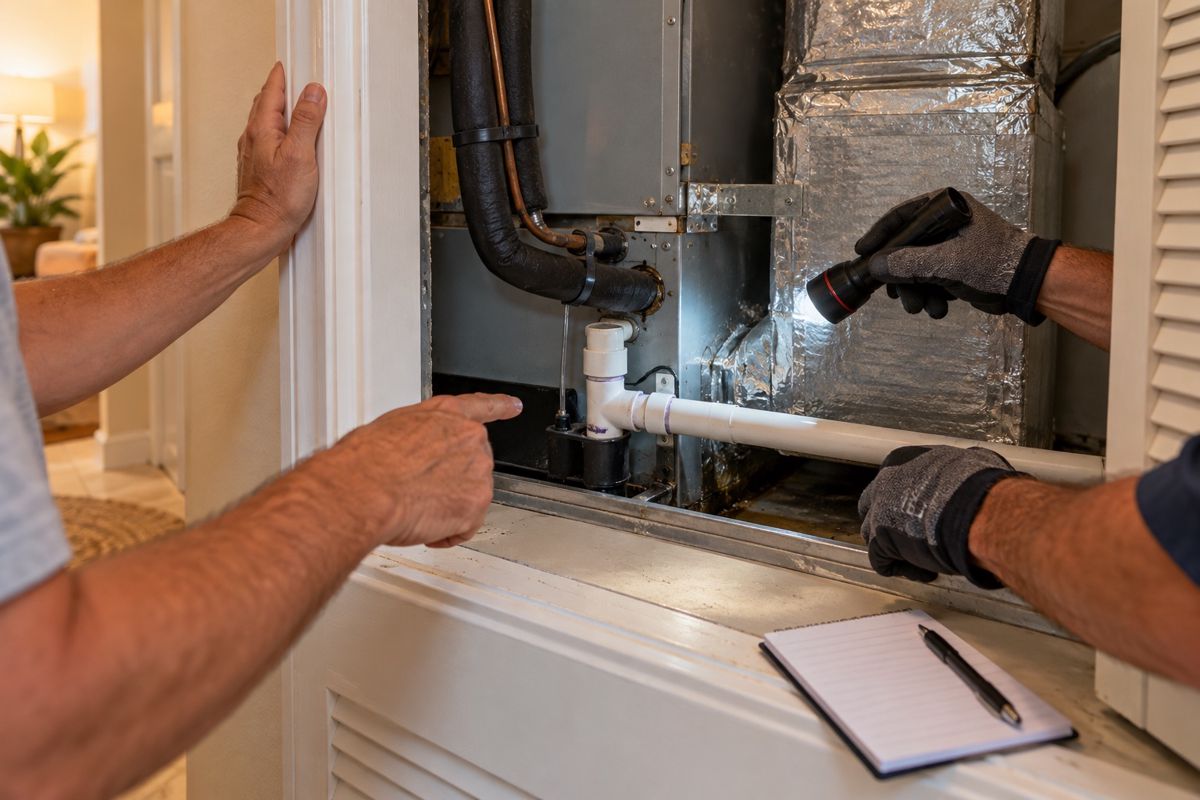
Start with a simple look. Check your filter, check the registers for dust, and think about when the system was last checked. If the house is a few years old with no problems, you may be fine for now. If you see the signs above, book a cleaning and keep a note of the date.
If you want us to look at your system, read about our air duct cleaning service in Fort Lauderdale or send a short request. If your laundry takes too long to dry, also see dryer vent cleaning, since a clogged vent is a separate problem with its own risks.